Buddhist’s and Pareidolia
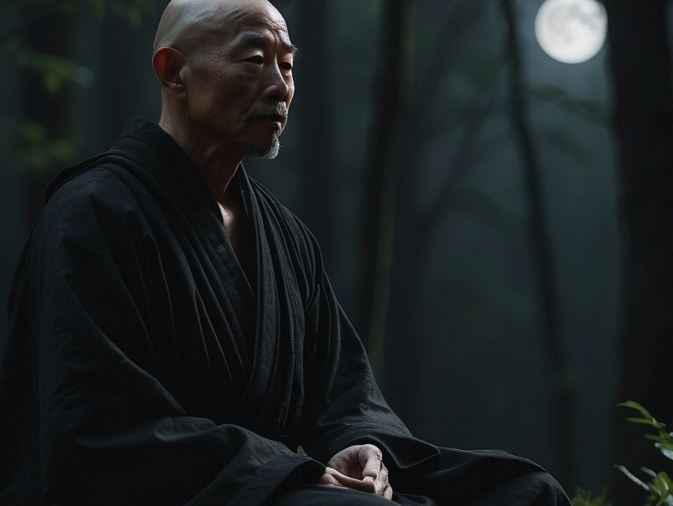
How Meditation Alters the Pareidolia Experience Decoupled Storytelling (Bare Perception): In Buddhist insight traditions (like Vipassana or Zen), practitioners train extensively in "bare awareness"—perceiving sensory input without adding conceptual layers. While a master's brain will still flash the image of a "face" when looking at a rock formation, they instantly recognize it as a temporary projection of the mind rather than a solid reality. Reduced Psychological Threat Response: Evolutionarily, pareidolia is triggered heavily by hyper-vigilance, anxiety, and fear (the brain scanning for hidden predators). Advanced meditators possess exceptionally down-regulated amygdalae (the brain's fear center). Because they operate with low baseline anxiety, they experience fewer fear-induced or threat-based instances of pareidolia.Awareness of "Cognitive Pareidolia": During deep meditation, the brain enters a relaxed alpha wave state. This state often triggers internal visual patterns or flashes of faces behind closed eyes. While an untrained person might assign profound mystical or terrifying meaning to these faces, a Buddhist master views them merely as Makyo (a Zen term for meditative hallucinations or mental distortions) and purposefully ignores them to return to baseline focus.























































































































123 Portobello Road England GB 98765
© T. H. E. HOTEL